Buy entspannen.eu ?
We are moving the project
entspannen.eu .
Are you interested in purchasing the domain
entspannen.eu ?
domain@kv-gmbh.de · 0541-91531010
Buy entspannen.eu ?
What are microorganisms?
Microorganisms are tiny living organisms that are too small to be seen with the naked eye. They include bacteria, viruses, fungi, and protists. Microorganisms can be found in almost every environment on Earth, including soil, water, and the human body. While some microorganisms can cause disease, many are beneficial and play important roles in processes such as decomposition, nutrient cycling, and food production. **
How do microorganisms reproduce?
Microorganisms reproduce through a process called binary fission, where a single cell divides into two identical daughter cells. This process allows microorganisms to rapidly increase in number. Some microorganisms, like bacteria, can also reproduce through conjugation, where genetic material is exchanged between two cells. Overall, microorganisms have various methods of reproduction that allow them to adapt and thrive in different environments. **

Similar search terms for Microorganisms
Top-Angebote
Products related to Microorganisms:
-
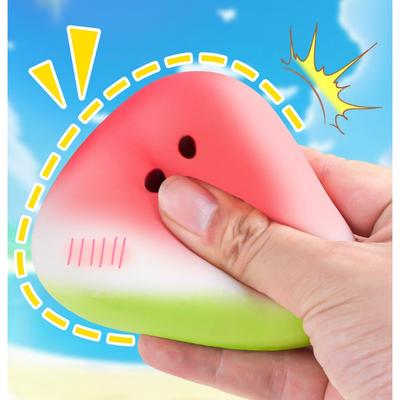
DynamicDeals Watermelon Slow Rising Squishy Stress Relief Toy For Anxiety, Focus & Sensory Relaxation Watermelon Slow Rising Squishy Stress Relief Toy For Anxiety, Focus & Sensory RelaxationTurn stressful moments into satisfying squeezes with this slow rising squishy designed to help you relax, refocus, and unwind. Shaped like a cheerful watermelon slice, this soft sensory toy delivers a calming squeezeandrelease experience for...34,97 $*Shipping: 0,00 $Secure redirect to the provider
-
JoyToys Slow Rebound Stress Ball Sensory Fidget Toy For Anxiety Relief & Everyday Relaxation Slow Rebound Stress Ball Sensory Fidget Toy For Anxiety Relief & Everyday RelaxationTake a break from daily stress with a soothing squeeze that helps you reset and refocus. This stress ball is a soft, slowrising sensory fidget toy designed for kids, teens, and adults who enjoy calming tactile stimulation. Its unique waxlike texture...29,97 $*Shipping: 0,00 $Secure redirect to the provider
-
JoyToys Jumbo Banana Squishy Toy Slow Rising Stress Relief Sensory Fidget For Relaxation Jumbo Banana Squishy Toy Slow Rising Stress Relief Sensory Fidget For RelaxationTurn everyday stress into satisfying relaxation with this irresistibly soft banana squishy toy. Designed for teens and adults who enjoy calming sensory play, this oversized slow rising squishy delivers a soothing squeeze that slowly returns to its...29,97 $*Shipping: 0,00 $Secure redirect to the provider
-
JoyToys OceanCube Stress Ball Slow Rise Sensory Fidget Toy For Anxiety Relief & Relaxation OceanCube Stress Ball Slow Rise Sensory Fidget Toy For Anxiety Relief & RelaxationTake a calming break anytime your day feels overwhelming with the OceanCube stress ball. Designed for kids, teens, and adults, this soothing sensory fidget toy features a beautiful oceaninspired design with floating seashell details that make every...29,97 $*Shipping: 0,00 $Secure redirect to the provider


-
Can microorganisms pass through materials?
Yes, microorganisms can pass through materials depending on their size and the porosity of the material. Some microorganisms are small enough to pass through tiny openings in materials like fabrics, filters, or even some types of plastics. This is why it is important to use materials that are specifically designed to block the passage of microorganisms in certain applications, such as in medical settings or food processing. **
-
Why do microorganisms spoil food?
Microorganisms spoil food because they use the nutrients in the food as a source of energy and growth. Bacteria, molds, and yeasts are the main culprits of food spoilage, and they thrive in the right conditions of moisture, warmth, and pH levels. As they grow and reproduce, they produce enzymes and waste products that break down the food's proteins, fats, and carbohydrates, leading to changes in texture, color, flavor, and odor. This ultimately makes the food unpalatable and unsafe to eat. **
-
Do microorganisms die in acid?
Yes, many microorganisms can die in acidic conditions. Acidic environments can disrupt the cell membranes and denature the proteins of microorganisms, leading to their death. However, some microorganisms, suchjson as acidophilic bacteria, are able to survive and even thrive in acidic conditions. These acidophilic microorganisms have evolved mechanisms to maintain their internal pH and protect their cellular structures from the damaging effects of acidity. **
-
What are the smallest microorganisms?
The smallest microorganisms are bacteria and archaea. These single-celled organisms are so tiny that they can only be seen under a microscope. Some bacteria and archaea are as small as 0.2 micrometers in diameter, making them the smallest known living organisms. Despite their small size, bacteria and archaea play crucial roles in various ecosystems and are essential for many biochemical processes. **

What do microorganisms need to reproduce?
Microorganisms need a suitable environment with the right temperature, pH level, and nutrients to reproduce. They also require moisture and oxygen to carry out their metabolic processes and grow. Additionally, some microorganisms may need specific conditions such as light or darkness to reproduce successfully. Overall, providing the necessary environmental conditions is crucial for the reproduction of microorganisms. **
What types of microorganisms could arise?
Various types of microorganisms could arise, including bacteria, viruses, fungi, and protists. These microorganisms could be pathogenic, causing diseases in humans, animals, or plants, or they could be beneficial, such as those involved in nutrient cycling, decomposition, or symbiotic relationships. The specific types of microorganisms that arise would depend on the environmental conditions, available resources, and interactions with other organisms. Additionally, genetic mutations and horizontal gene transfer could contribute to the emergence of new microorganism variants. **
Top-Angebote
Products related to Microorganisms:
-
DynamicDeals Slow Rebound Mochi Squishy Toy For Stress Relief And Sensory Relaxation Slow Rebound Mochi Squishy Toy For Stress Relief And Sensory RelaxationTurn restless moments into calming relief with this irresistibly soft stress relief toy designed to soothe your hands and mind. Made with a slowrebound squishy texture, this compact fidget companion is perfect for kids, teens, and adults who need a...31,97 $*Shipping: 0,00 $Secure redirect to the provider
-
JoyToys Butter Feel Stress Ball Sensory Fidget Toy For Anxiety Relief And Relaxation Butter Feel Stress Ball Sensory Fidget Toy For Anxiety Relief And RelaxationExperience instant calm with a uniquely soft, butterlike squeeze that melts away everyday tension. This handmade Stress Ball is designed for students, professionals, and anyone who enjoys satisfying sensory play or needs a quick mental reset. Its...29,97 $*Shipping: 0,00 $Secure redirect to the provider
-
DynamicDeals Watermelon Slow Rising Squishy Stress Relief Toy For Anxiety, Focus & Sensory Relaxation Watermelon Slow Rising Squishy Stress Relief Toy For Anxiety, Focus & Sensory RelaxationTurn stressful moments into satisfying squeezes with this slow rising squishy designed to help you relax, refocus, and unwind. Shaped like a cheerful watermelon slice, this soft sensory toy delivers a calming squeezeandrelease experience for...34,97 $*Shipping: 0,00 $Secure redirect to the provider
-
JoyToys Slow Rebound Stress Ball Sensory Fidget Toy For Anxiety Relief & Everyday Relaxation Slow Rebound Stress Ball Sensory Fidget Toy For Anxiety Relief & Everyday RelaxationTake a break from daily stress with a soothing squeeze that helps you reset and refocus. This stress ball is a soft, slowrising sensory fidget toy designed for kids, teens, and adults who enjoy calming tactile stimulation. Its unique waxlike texture...29,97 $*Shipping: 0,00 $Secure redirect to the provider
-
What are microorganisms?
Microorganisms are tiny living organisms that are too small to be seen with the naked eye. They include bacteria, viruses, fungi, and protists. Microorganisms can be found in almost every environment on Earth, including soil, water, and the human body. While some microorganisms can cause disease, many are beneficial and play important roles in processes such as decomposition, nutrient cycling, and food production. **
-
How do microorganisms reproduce?
Microorganisms reproduce through a process called binary fission, where a single cell divides into two identical daughter cells. This process allows microorganisms to rapidly increase in number. Some microorganisms, like bacteria, can also reproduce through conjugation, where genetic material is exchanged between two cells. Overall, microorganisms have various methods of reproduction that allow them to adapt and thrive in different environments. **
-
Can microorganisms pass through materials?
Yes, microorganisms can pass through materials depending on their size and the porosity of the material. Some microorganisms are small enough to pass through tiny openings in materials like fabrics, filters, or even some types of plastics. This is why it is important to use materials that are specifically designed to block the passage of microorganisms in certain applications, such as in medical settings or food processing. **
-
Why do microorganisms spoil food?
Microorganisms spoil food because they use the nutrients in the food as a source of energy and growth. Bacteria, molds, and yeasts are the main culprits of food spoilage, and they thrive in the right conditions of moisture, warmth, and pH levels. As they grow and reproduce, they produce enzymes and waste products that break down the food's proteins, fats, and carbohydrates, leading to changes in texture, color, flavor, and odor. This ultimately makes the food unpalatable and unsafe to eat. **
Similar search terms for Microorganisms
-
JoyToys Jumbo Banana Squishy Toy Slow Rising Stress Relief Sensory Fidget For Relaxation Jumbo Banana Squishy Toy Slow Rising Stress Relief Sensory Fidget For RelaxationTurn everyday stress into satisfying relaxation with this irresistibly soft banana squishy toy. Designed for teens and adults who enjoy calming sensory play, this oversized slow rising squishy delivers a soothing squeeze that slowly returns to its...29,97 $*Shipping: 0,00 $Secure redirect to the provider
-
JoyToys OceanCube Stress Ball Slow Rise Sensory Fidget Toy For Anxiety Relief & Relaxation OceanCube Stress Ball Slow Rise Sensory Fidget Toy For Anxiety Relief & RelaxationTake a calming break anytime your day feels overwhelming with the OceanCube stress ball. Designed for kids, teens, and adults, this soothing sensory fidget toy features a beautiful oceaninspired design with floating seashell details that make every...29,97 $*Shipping: 0,00 $Secure redirect to the provider
-
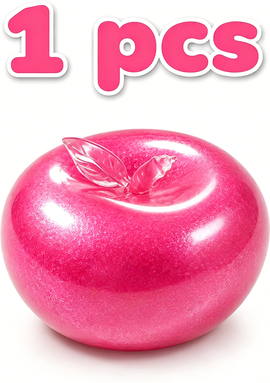
JoyToys Big Apple Stress Ball ASMR Fidget Toy For Stress Relief & Sensory Relaxation pinkTurn everyday stress into a calming sensory experience with this Apple stress ball that's as fun to squeeze as it is to display. Designed for kids, teens, and adults, this ASMR fidget toy features a soft outer shell with a unique slushlike filling...34,97 $*Shipping: 0,00 $Secure redirect to the provider
-
Inspire Curations CalmPaws Cat Pheromone Diffuser For Stress Relief & Relaxation usCreate a calmer, more peaceful environment for your feline companion with this cat pheromone diffuser designed to help reduce stressrelated behaviors at home. Ideal for nervous, anxious, or easily overstimulated cats, this calming diffuser releases...90,50 $*Shipping: 0,00 $Secure redirect to the provider
-
Do microorganisms die in acid?
Yes, many microorganisms can die in acidic conditions. Acidic environments can disrupt the cell membranes and denature the proteins of microorganisms, leading to their death. However, some microorganisms, suchjson as acidophilic bacteria, are able to survive and even thrive in acidic conditions. These acidophilic microorganisms have evolved mechanisms to maintain their internal pH and protect their cellular structures from the damaging effects of acidity. **
-
What are the smallest microorganisms?
The smallest microorganisms are bacteria and archaea. These single-celled organisms are so tiny that they can only be seen under a microscope. Some bacteria and archaea are as small as 0.2 micrometers in diameter, making them the smallest known living organisms. Despite their small size, bacteria and archaea play crucial roles in various ecosystems and are essential for many biochemical processes. **
-
What do microorganisms need to reproduce?
Microorganisms need a suitable environment with the right temperature, pH level, and nutrients to reproduce. They also require moisture and oxygen to carry out their metabolic processes and grow. Additionally, some microorganisms may need specific conditions such as light or darkness to reproduce successfully. Overall, providing the necessary environmental conditions is crucial for the reproduction of microorganisms. **
-
What types of microorganisms could arise?
Various types of microorganisms could arise, including bacteria, viruses, fungi, and protists. These microorganisms could be pathogenic, causing diseases in humans, animals, or plants, or they could be beneficial, such as those involved in nutrient cycling, decomposition, or symbiotic relationships. The specific types of microorganisms that arise would depend on the environmental conditions, available resources, and interactions with other organisms. Additionally, genetic mutations and horizontal gene transfer could contribute to the emergence of new microorganism variants. **
* All prices are inclusive of VAT and, if applicable, plus shipping costs. The offer information is based on the details provided by the respective shop and is updated through automated processes. Real-time updates do not occur, so deviations can occur in individual cases. ** Note: Parts of this content were created by AI.