Buy entspannen.eu ?
We are moving the project
entspannen.eu .
Are you interested in purchasing the domain
entspannen.eu ?
domain@kv-gmbh.de · 0541-91531010
Buy entspannen.eu ?
Does waving a palm leaf help with lovesickness and heartache?
Waving a palm leaf is a cultural practice in some traditions, believed to have spiritual or symbolic significance. While it may not have a direct physical effect on lovesickness or heartache, the act of waving a palm leaf can be a form of meditation or prayer that helps individuals find peace and comfort in difficult times. It can also serve as a way to connect with nature and find solace in the beauty of the natural world. Ultimately, the effectiveness of waving a palm leaf in addressing lovesickness and heartache may vary from person to person, but it can be a meaningful and comforting ritual for some. **
How would my family members react if they caught me fanning myself with a palm leaf?
Your family members might find it amusing or entertaining to see you fanning yourself with a palm leaf. They may laugh and tease you in a light-hearted manner, or they might join in and try fanning themselves with palm leaves as well. Overall, their reaction would likely be one of amusement and curiosity, as it's not a common sight in many households. **

Similar search terms for Saro-Lifestyle-Palm-Leaf
Top-Angebote
Products related to Saro-Lifestyle-Palm-Leaf:



-
How do I care for a palm tree?
Caring for a palm tree involves providing the right growing conditions, regular watering, fertilizing, and pruning. Here are some general tips for caring for a palm tree: 1. Light: Most palm trees prefer bright, indirect sunlight. Make sure your palm tree receives enough light to thrive. 2. Watering: Palm trees require regular watering, especially during the growing season. Water your palm tree when the top inch of soil feels dry. Avoid overwatering, as this can lead to root rot. 3. Fertilizing: Use a balanced fertilizer formulated for palm trees to provide essential nutrients. Fertilize your palm tree during the growing season, following the instructions on the fertilizer package. 4. Pruning: Remove dead or damaged fronds from your palm tree to promote healthy growth. Be careful not to remove too many fronds at once, as this can stress the tree. 5. Pest control: Keep an eye out for common pests that can affect palm trees, such as spider mites, mealybugs, and palm aphids. Treat any infestations promptly to prevent damage to your palm tree. By providing the right care and attention, you can help your palm tree thrive and grow beautifully. **
-
How do I care for my fan palm?
To care for your fan palm, you should follow these guidelines: 1. Light: Fan palms prefer bright, indirect light. Place your plant near a window where it can receive plenty of sunlight, but avoid direct sunlight which can scorch the leaves. 2. Watering: Keep the soil consistently moist but not waterlogged. Water your fan palm when the top inch of soil feels dry. Make sure to allow excess water to drain out of the pot to prevent root rot. 3. Humidity: Fan palms prefer high humidity levels. To increase humidity, you can mist the leaves regularly or place a humidifier near the plant. 4. Temperature: Fan palms thrive in temperatures between 65-80°F (18-27°C). Avoid exposing the plant to temperatures below 50°F (10°C) as it can damage the leaves. 5. Fertilizing: Feed your fan palm with a balanced liquid fertilizer every 2-4 weeks during the growing season (spring and summer). Reduce fertilization in the fall and winter. 6. Pruning: Remove any yellow or brown leaves by cutting them off at the base of the stem. This will help maintain the health and appearance of the plant. 7. Repotting: Fan palms prefer slightly root-bound conditions, so you only need to repot your plant every 2-3 years or when it outgrows its current pot. By following these care tips, you can help your fan palm thrive and grow beautifully in your home. **
-
How do I care for a Kentia palm?
To care for a Kentia palm, you should: 1. Light: Kentia palms prefer bright, indirect light. Avoid direct sunlight as it can scorch the leaves. 2. Watering: Water your Kentia palm when the top inch of soil feels dry. Water thoroughly, allowing excess water to drain out of the pot. Avoid overwatering as it can lead to root rot. 3. Humidity: Kentia palms prefer high humidity levels. You can increase humidity by misting the leaves regularly or placing a humidifier nearby. 4. Temperature: Kentia palms prefer temperatures between 65-80°F (18-27°C). Protect them from drafts and sudden temperature changes. 5. Fertilizing: Fertilize your Kentia palm every 2-3 months during the growing season (spring and summer) with a balanced fertilizer diluted to half strength. 6. Pruning: Remove any yellow or brown leaves by cutting them off at the base of the plant. Trim any dead or damaged fronds to maintain the plant's appearance. 7. Repotting: Repot your Kentia palm every 2-3 years or when it outgrows its current pot. Use a well-draining potting mix and a container with drainage holes. By following these care tips, you can help your Kentia palm thrive and grow into a healthy and beautiful plant. **
-
How do I properly care for a Yucca palm?
To properly care for a Yucca palm, follow these tips: 1. Light: Yucca palms prefer bright, indirect sunlight. Place your plant near a window where it can receive plenty of light. 2. Watering: Water your Yucca palm thoroughly when the top inch of soil feels dry. Allow excess water to drain out of the pot to prevent root rot. In winter, reduce watering frequency as the plant goes dormant. 3. Soil: Yucca palms prefer well-draining soil. Use a cactus or succulent mix, or add sand or perlite to regular potting soil to improve drainage. 4. Temperature: Yucca palms prefer temperatures between 60-80°F (15-27°C). Protect the plant from drafts and extreme temperature fluctuations. 5. Humidity: Yucca palms can tolerate low humidity levels, but they may benefit from occasional misting or placing a humidifier nearby. 6. Fertilizing: Feed your Yucca palm with a balanced liquid fertilizer diluted to half strength every 4-6 weeks during the growing season (spring and summer). 7. Pruning: Remove any dead or yellowing leaves to maintain the plant's appearance and health. 8. Repotting: Repot your Yucca palm every 2-3 years, or when the roots outgrow the pot. Choose a slightly larger pot with good drainage. By following these care tips, you can help your Yucca palm thrive and **

Why is the leaf actually leaf-shaped?
The leaf is leaf-shaped because its shape is adapted to optimize photosynthesis, the process by which plants convert sunlight into energy. The broad, flat shape of a leaf maximizes the surface area exposed to sunlight, allowing for more efficient absorption of light. This shape also facilitates the exchange of gases, such as carbon dioxide and oxygen, with the environment. Overall, the leaf's shape is a result of natural selection favoring traits that enhance the plant's ability to capture sunlight and carry out essential biological processes. **
Are there lifestyle links?
Yes, there are lifestyle links. Lifestyle choices such as diet, exercise, and stress management can have a significant impact on overall health and well-being. For example, maintaining a healthy diet and regular exercise routine can help prevent chronic diseases such as heart disease and diabetes. Additionally, managing stress through relaxation techniques and mindfulness practices can improve mental health and reduce the risk of conditions such as anxiety and depression. Therefore, making positive lifestyle choices can greatly influence one's overall health and quality of life. **
Top-Angebote
Products related to Saro-Lifestyle-Palm-Leaf:
-
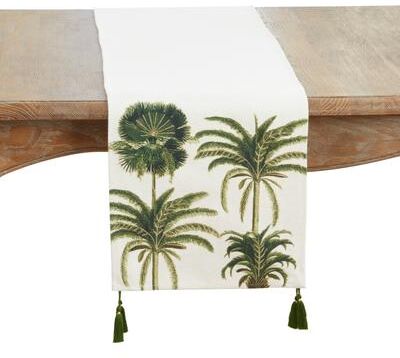
"Saro Lifestyle Palm Leaf Embroidered Table Runner - Decorative Botanical Accent for Dining Tables & Consoles, 16""x72"""This palm leaf table runner brings a clean, nature-inspired accent to your table with a simple embroidered-style motif and smooth drape.71,99 $*Shipping: 0,00 $Secure redirect to the provider
-
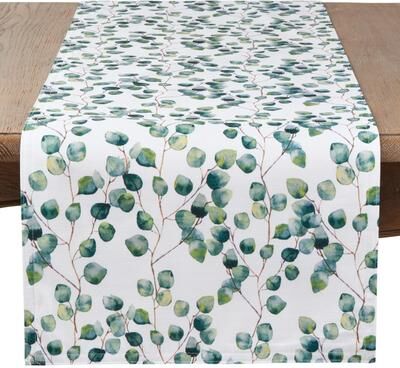
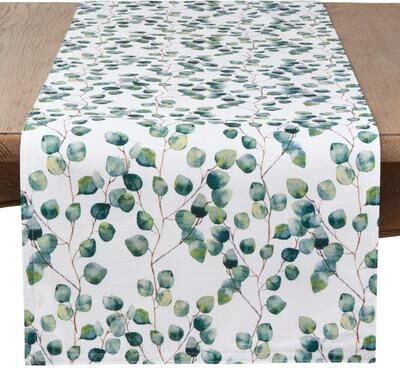
Saro Lifestyle Eucalyptus Leaf Long Table RunnerFeaturing a fresh, lively botanical print, the Eucalyptus Leaf Table Runner makes for a great accent for any table, whether indoors or outdoors. Soft colors and small prints make this long table runner a lovely, chic piece.24,79 $*Shipping: 0,00 $Secure redirect to the provider
-
Does waving a palm leaf help with lovesickness and heartache?
Waving a palm leaf is a cultural practice in some traditions, believed to have spiritual or symbolic significance. While it may not have a direct physical effect on lovesickness or heartache, the act of waving a palm leaf can be a form of meditation or prayer that helps individuals find peace and comfort in difficult times. It can also serve as a way to connect with nature and find solace in the beauty of the natural world. Ultimately, the effectiveness of waving a palm leaf in addressing lovesickness and heartache may vary from person to person, but it can be a meaningful and comforting ritual for some. **
-
How would my family members react if they caught me fanning myself with a palm leaf?
Your family members might find it amusing or entertaining to see you fanning yourself with a palm leaf. They may laugh and tease you in a light-hearted manner, or they might join in and try fanning themselves with palm leaves as well. Overall, their reaction would likely be one of amusement and curiosity, as it's not a common sight in many households. **
-
How do I care for a palm tree?
Caring for a palm tree involves providing the right growing conditions, regular watering, fertilizing, and pruning. Here are some general tips for caring for a palm tree: 1. Light: Most palm trees prefer bright, indirect sunlight. Make sure your palm tree receives enough light to thrive. 2. Watering: Palm trees require regular watering, especially during the growing season. Water your palm tree when the top inch of soil feels dry. Avoid overwatering, as this can lead to root rot. 3. Fertilizing: Use a balanced fertilizer formulated for palm trees to provide essential nutrients. Fertilize your palm tree during the growing season, following the instructions on the fertilizer package. 4. Pruning: Remove dead or damaged fronds from your palm tree to promote healthy growth. Be careful not to remove too many fronds at once, as this can stress the tree. 5. Pest control: Keep an eye out for common pests that can affect palm trees, such as spider mites, mealybugs, and palm aphids. Treat any infestations promptly to prevent damage to your palm tree. By providing the right care and attention, you can help your palm tree thrive and grow beautifully. **
-
How do I care for my fan palm?
To care for your fan palm, you should follow these guidelines: 1. Light: Fan palms prefer bright, indirect light. Place your plant near a window where it can receive plenty of sunlight, but avoid direct sunlight which can scorch the leaves. 2. Watering: Keep the soil consistently moist but not waterlogged. Water your fan palm when the top inch of soil feels dry. Make sure to allow excess water to drain out of the pot to prevent root rot. 3. Humidity: Fan palms prefer high humidity levels. To increase humidity, you can mist the leaves regularly or place a humidifier near the plant. 4. Temperature: Fan palms thrive in temperatures between 65-80°F (18-27°C). Avoid exposing the plant to temperatures below 50°F (10°C) as it can damage the leaves. 5. Fertilizing: Feed your fan palm with a balanced liquid fertilizer every 2-4 weeks during the growing season (spring and summer). Reduce fertilization in the fall and winter. 6. Pruning: Remove any yellow or brown leaves by cutting them off at the base of the stem. This will help maintain the health and appearance of the plant. 7. Repotting: Fan palms prefer slightly root-bound conditions, so you only need to repot your plant every 2-3 years or when it outgrows its current pot. By following these care tips, you can help your fan palm thrive and grow beautifully in your home. **
Similar search terms for Saro-Lifestyle-Palm-Leaf
-
Saro Lifestyle Eucalyptus Leaf Long Table RunnerFeaturing a fresh, lively botanical print, the Eucalyptus Leaf Table Runner makes for a great accent for any table, whether indoors or outdoors. Soft colors and small prints make this long table runner a lovely, chic piece.25,83 $*Shipping: 0,00 $Secure redirect to the provider
-
How do I care for a Kentia palm?
To care for a Kentia palm, you should: 1. Light: Kentia palms prefer bright, indirect light. Avoid direct sunlight as it can scorch the leaves. 2. Watering: Water your Kentia palm when the top inch of soil feels dry. Water thoroughly, allowing excess water to drain out of the pot. Avoid overwatering as it can lead to root rot. 3. Humidity: Kentia palms prefer high humidity levels. You can increase humidity by misting the leaves regularly or placing a humidifier nearby. 4. Temperature: Kentia palms prefer temperatures between 65-80°F (18-27°C). Protect them from drafts and sudden temperature changes. 5. Fertilizing: Fertilize your Kentia palm every 2-3 months during the growing season (spring and summer) with a balanced fertilizer diluted to half strength. 6. Pruning: Remove any yellow or brown leaves by cutting them off at the base of the plant. Trim any dead or damaged fronds to maintain the plant's appearance. 7. Repotting: Repot your Kentia palm every 2-3 years or when it outgrows its current pot. Use a well-draining potting mix and a container with drainage holes. By following these care tips, you can help your Kentia palm thrive and grow into a healthy and beautiful plant. **
-
How do I properly care for a Yucca palm?
To properly care for a Yucca palm, follow these tips: 1. Light: Yucca palms prefer bright, indirect sunlight. Place your plant near a window where it can receive plenty of light. 2. Watering: Water your Yucca palm thoroughly when the top inch of soil feels dry. Allow excess water to drain out of the pot to prevent root rot. In winter, reduce watering frequency as the plant goes dormant. 3. Soil: Yucca palms prefer well-draining soil. Use a cactus or succulent mix, or add sand or perlite to regular potting soil to improve drainage. 4. Temperature: Yucca palms prefer temperatures between 60-80°F (15-27°C). Protect the plant from drafts and extreme temperature fluctuations. 5. Humidity: Yucca palms can tolerate low humidity levels, but they may benefit from occasional misting or placing a humidifier nearby. 6. Fertilizing: Feed your Yucca palm with a balanced liquid fertilizer diluted to half strength every 4-6 weeks during the growing season (spring and summer). 7. Pruning: Remove any dead or yellowing leaves to maintain the plant's appearance and health. 8. Repotting: Repot your Yucca palm every 2-3 years, or when the roots outgrow the pot. Choose a slightly larger pot with good drainage. By following these care tips, you can help your Yucca palm thrive and **
-
Why is the leaf actually leaf-shaped?
The leaf is leaf-shaped because its shape is adapted to optimize photosynthesis, the process by which plants convert sunlight into energy. The broad, flat shape of a leaf maximizes the surface area exposed to sunlight, allowing for more efficient absorption of light. This shape also facilitates the exchange of gases, such as carbon dioxide and oxygen, with the environment. Overall, the leaf's shape is a result of natural selection favoring traits that enhance the plant's ability to capture sunlight and carry out essential biological processes. **
-
Are there lifestyle links?
Yes, there are lifestyle links. Lifestyle choices such as diet, exercise, and stress management can have a significant impact on overall health and well-being. For example, maintaining a healthy diet and regular exercise routine can help prevent chronic diseases such as heart disease and diabetes. Additionally, managing stress through relaxation techniques and mindfulness practices can improve mental health and reduce the risk of conditions such as anxiety and depression. Therefore, making positive lifestyle choices can greatly influence one's overall health and quality of life. **
* All prices are inclusive of VAT and, if applicable, plus shipping costs. The offer information is based on the details provided by the respective shop and is updated through automated processes. Real-time updates do not occur, so deviations can occur in individual cases. ** Note: Parts of this content were created by AI.